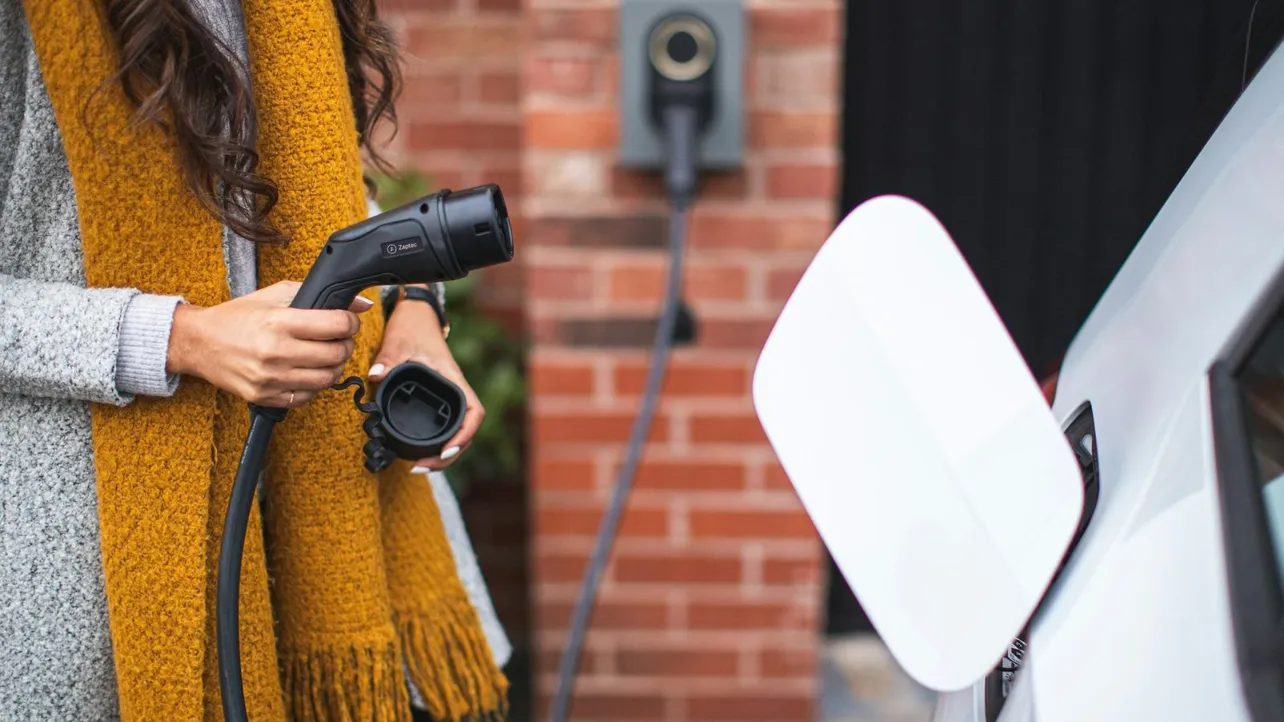
The UK government is increasing its electric vehicle charger grants by more than 40 percent, raising the maximum from £350 to £500 per socket from 1 April 2026. The boost applies to renters, flat owners, residential landlords, households with on-street parking and businesses, according to an announcement from the Department for Transport.
The increase is significant, but comes with a caveat: this is the final year of funding. The Department for Transport has confirmed the grants will run until March 2027 with no plans to extend beyond that. Homeowners with driveways, meanwhile, remain excluded - the original Electric Vehicle Homecharge Scheme for standard homeowners closed in 2022 and has not been replaced.
The government says the £500 grant will cover "almost half the cost" of a typical installation, allowing drivers to charge at home for around 2p per mile. That figure assumes access to cheap off-peak domestic tariffs, which currently sit around 8p per kWh. By comparison, public charging averages 54p per kWh for slower AC chargers and 77p per kWh for rapid DC units, according to Zapmap data.
Who qualifies and who doesn't
The updated grants apply to 5 categories: renters, flat owners, residential landlords, households with on-street parking and businesses through the Workplace Charging Scheme. Schools get enhanced support at up to £2,000 per socket.
The government is also simplifying the system, reducing 8 separate grant types down to 5. The Staff and Fleets Grant scheme for small and medium businesses will close on 31 March, though most of those firms would still qualify under the Workplace Charging Scheme.
What hasn't changed is the exclusion of homeowners with driveways. Around 55 to 58 percent of UK households have access to off-street parking, according to industry estimates, meaning the majority of potential EV buyers cannot access any grant support for home charging.
The wider cost problem
The grant increase arrives amid ongoing debate about the cost gap between home and public charging. Domestic electricity attracts 5 percent VAT, while public chargers are taxed at 20 percent - a disparity the charging industry calls the "pavement tax". Drivers without home charging access pay roughly £1,690 per year on public charging, according to Zapmap, and could save around £211 annually if VAT rates were equalised.
The Treasury is reportedly reviewing public charging costs, with industry sources telling The Telegraph that ministers fear the new pay-per-mile road tax (eVED) from 2028 will "kill EV demand" if public charging remains expensive.
"We're taking action to make EV ownership the affordable choice for everyone - not just those with driveways," said Aviation, Maritime and Decarbonisation Minister Keir Mather. "Bigger grants mean families, flat owners, renters and small businesses can now install a charger for almost half the usual cost."
The Workplace Charging Scheme has funded more than 65,000 sockets since 2016. The updated grants take effect from 1 April 2026 and apply to all installations completed from that date, even if applications were submitted earlier.