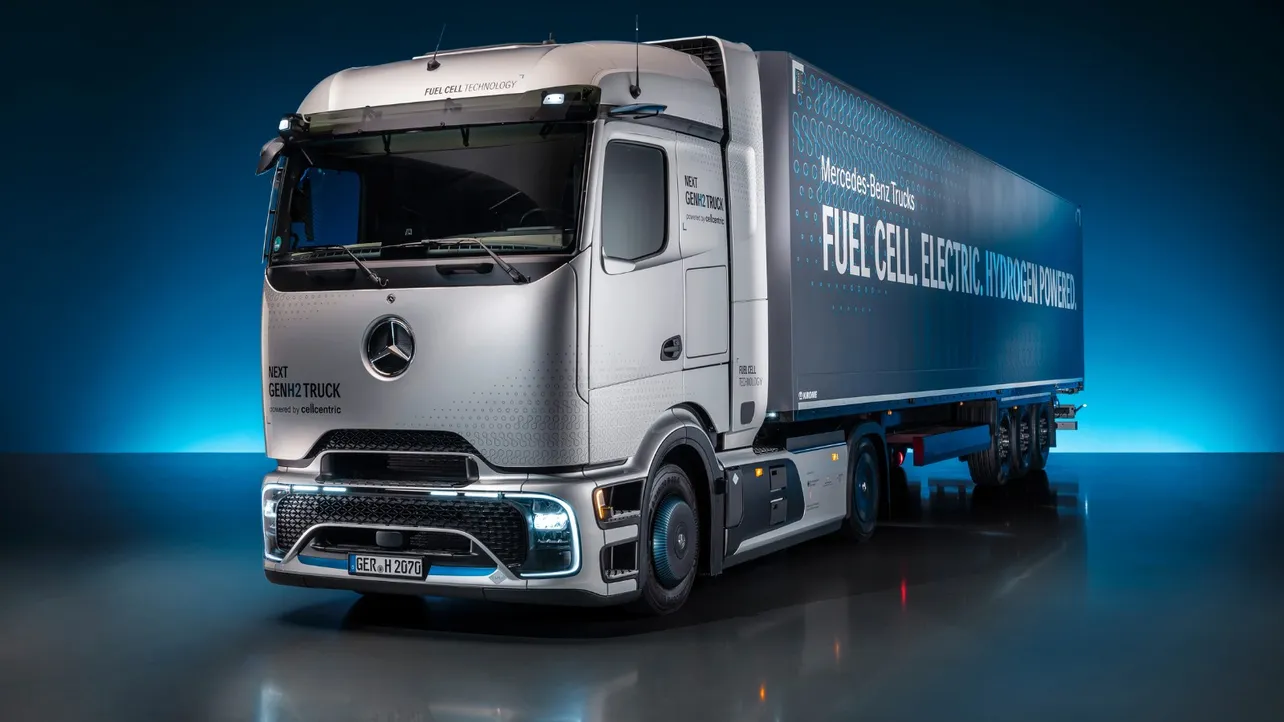
Daimler Truck has unveiled the Mercedes-Benz NextGenH2, a second-generation hydrogen fuel cell truck that will enter limited production at the Wörth plant in Germany from the end of 2026.
The announcement confirms a small-series run of 100 units for customer deployment, although full-scale manufacturing has been pushed back to the early 2030s - a delay the company attributes to hydrogen refuelling infrastructure expanding more slowly than expected.
The timing is telling. Germany's hydrogen refuelling network has shrunk from over 80 public stations to around 50 in the past 2 years, with operator H2 Mobility closing 22 sites in 2025 alone.
Liquid hydrogen stations - the type the NextGenH2 requires - remain available at only a handful of locations, principally Wörth am Rhein and the Duisburg area.
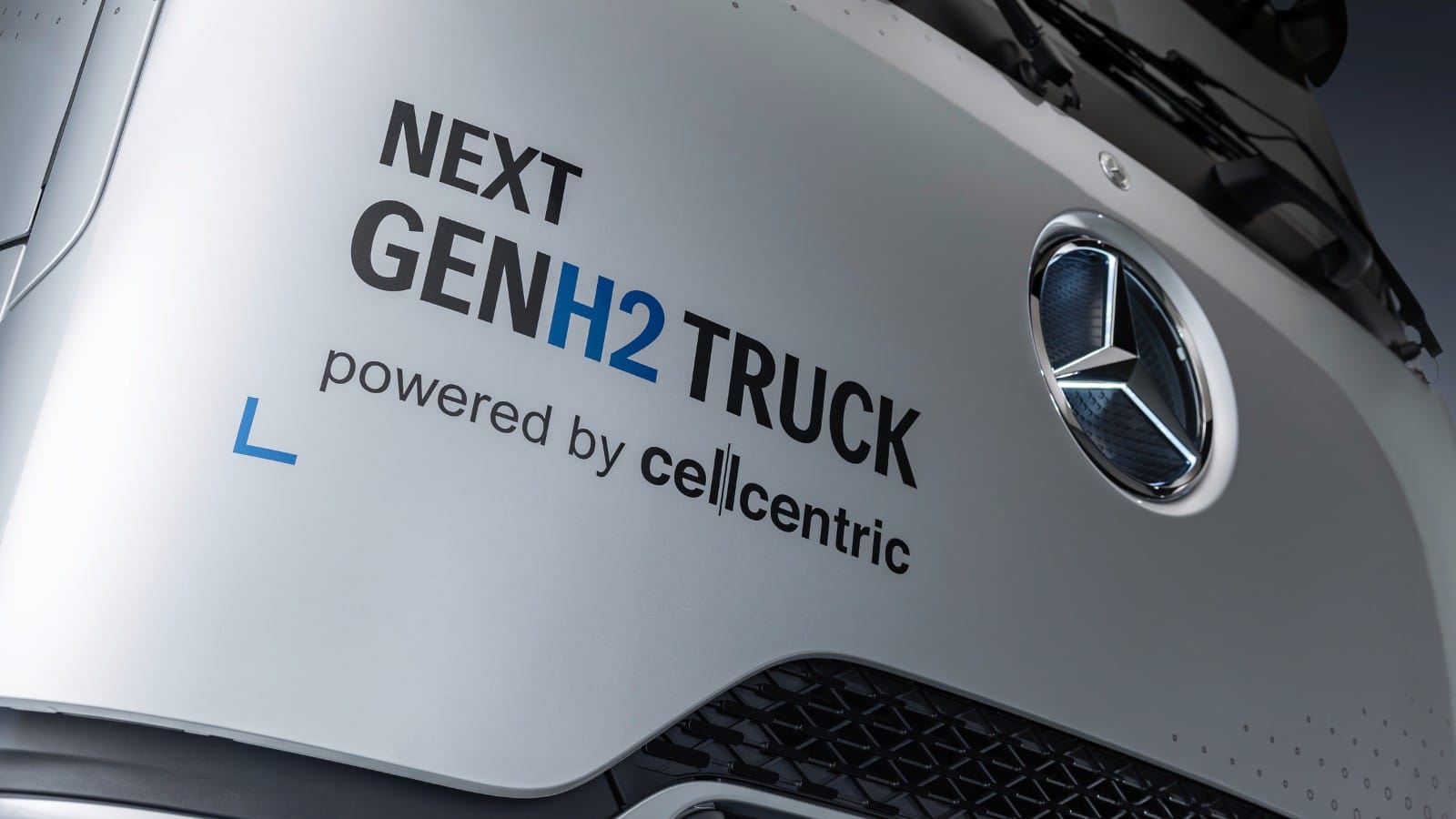
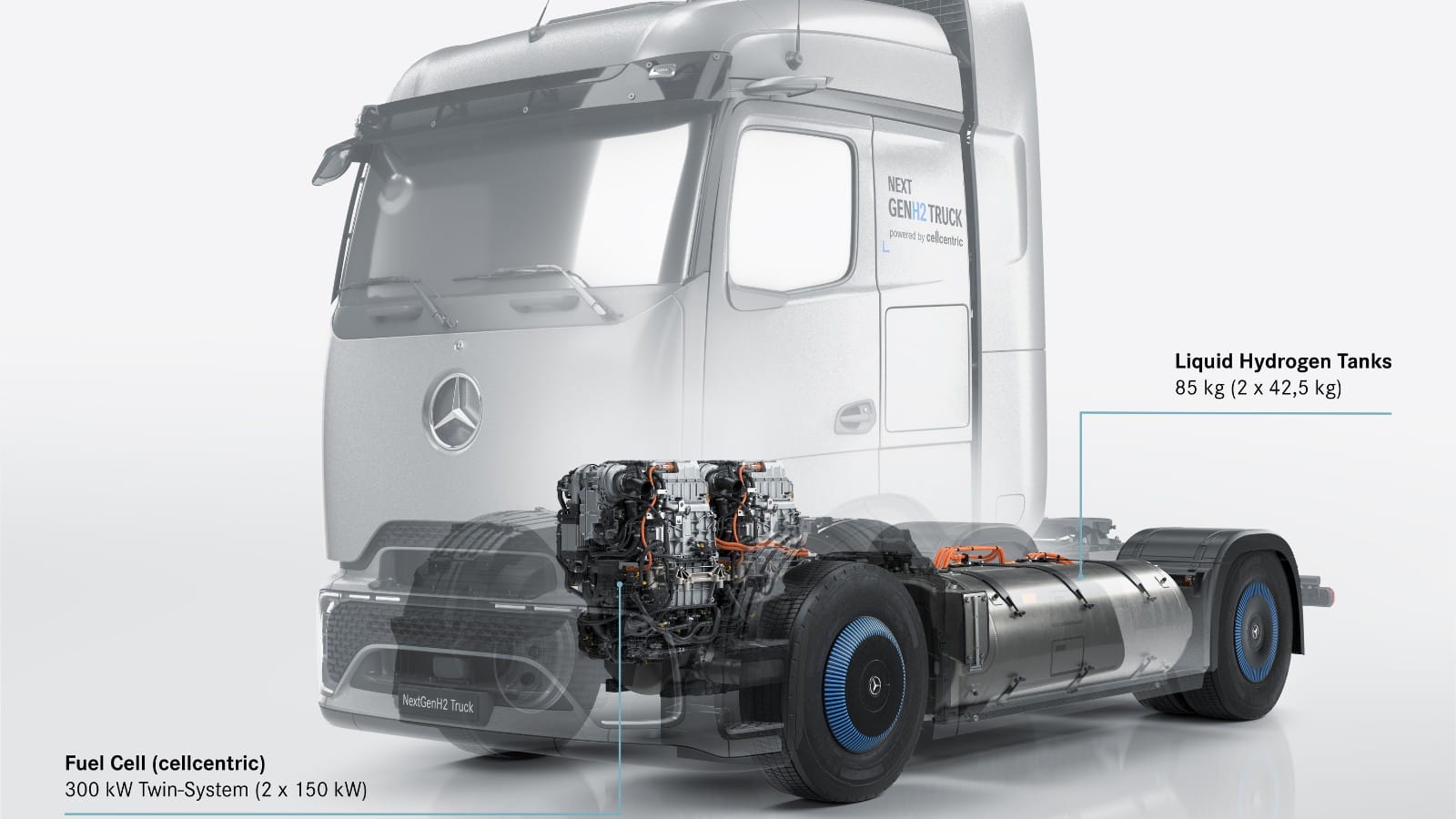
The NextGenH2 retains the liquid hydrogen approach and cellcentric fuel cell system from the first-generation GenH2, which covered over 225,000 km in customer trials with Amazon, DHL, and others during 2024-25.
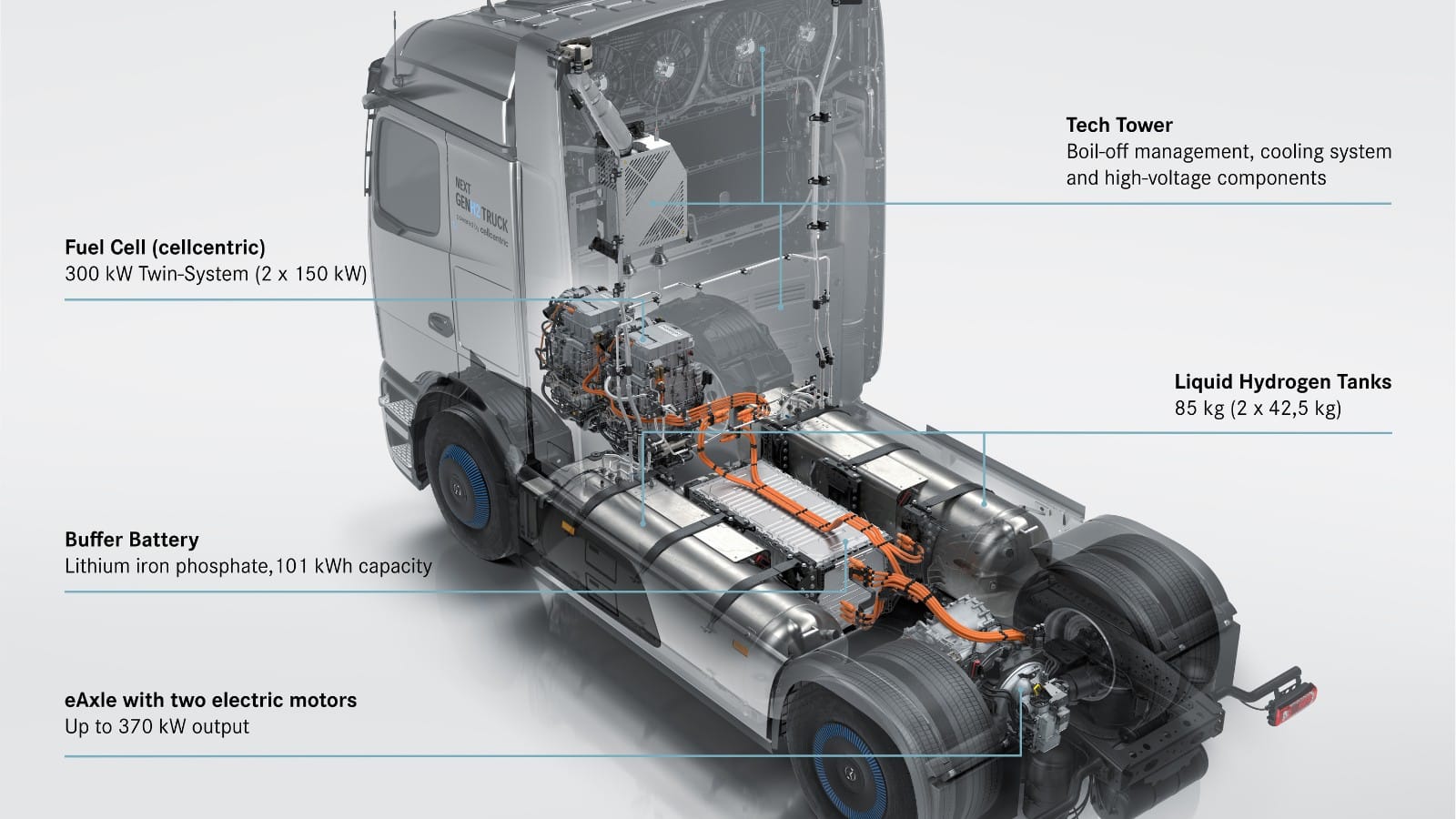
Two fuel cell units produce a combined 300 kW, while the truck carries up to 85 kg of liquid hydrogen at -253°C - up from 88 kg in the previous design - enabling ranges Daimler says exceed 1,000 km on a single fill. The company demonstrated 1,047 km in a 2023 record run.
Where the GenH2 was built on the conventional Actros platform, the NextGenH2 borrows heavily from the battery-electric eActros 600. It uses the same integrated e-axle with 4-speed transmission, the aerodynamically optimised ProCabin - which Daimler says improves drag coefficient by 9% over the previous cab - and the latest safety systems including Active Brake Assist 6.
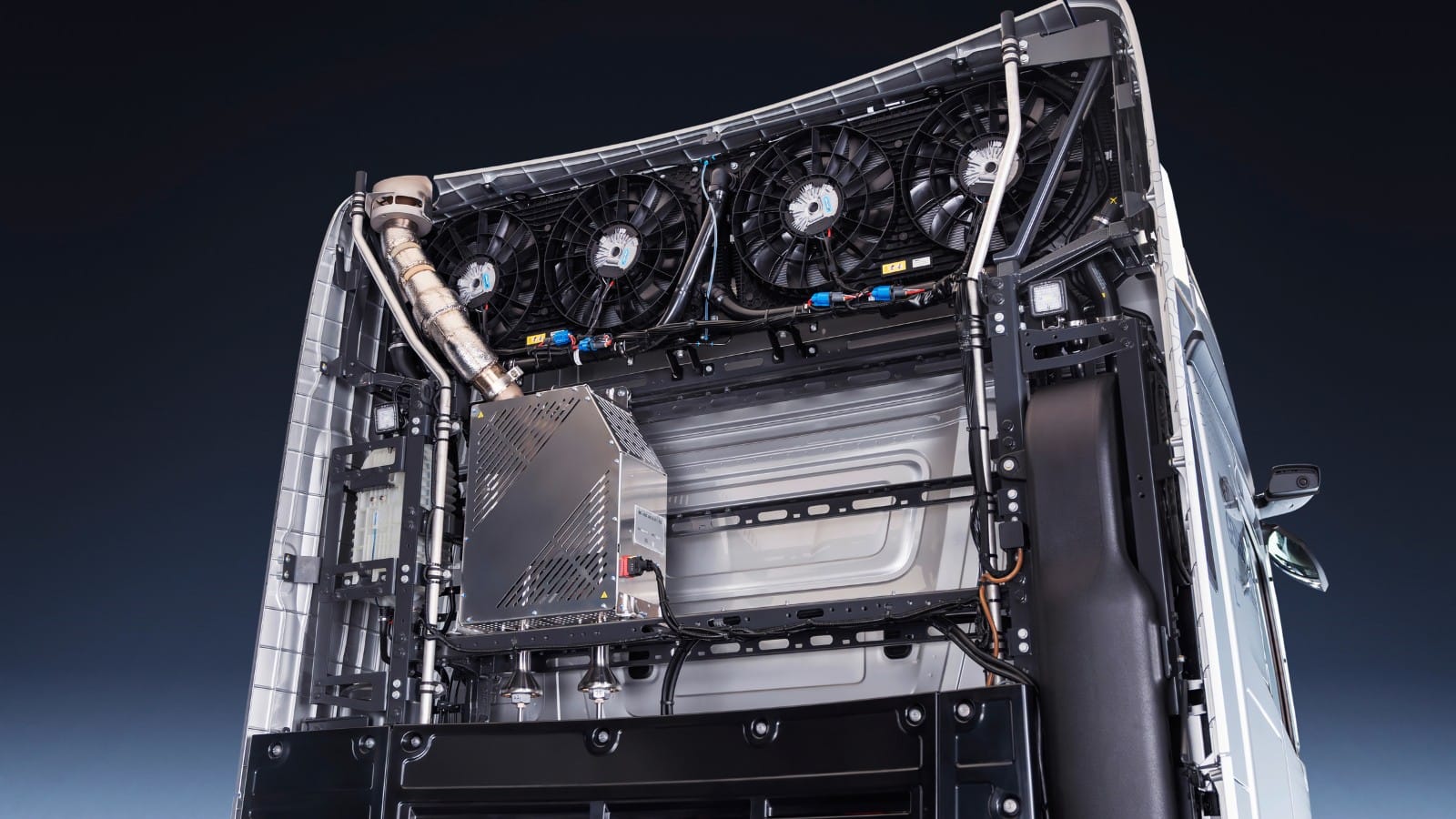
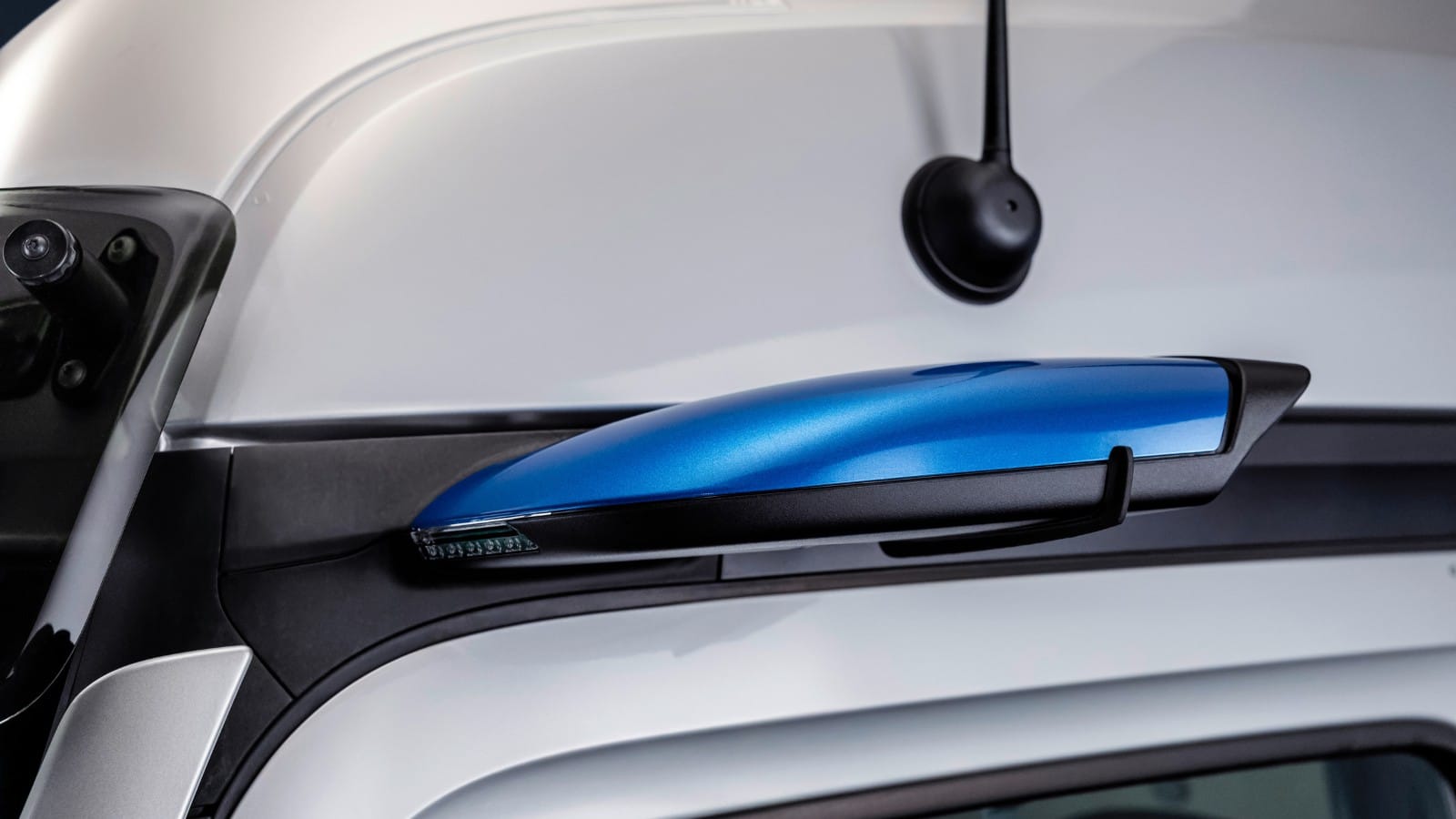
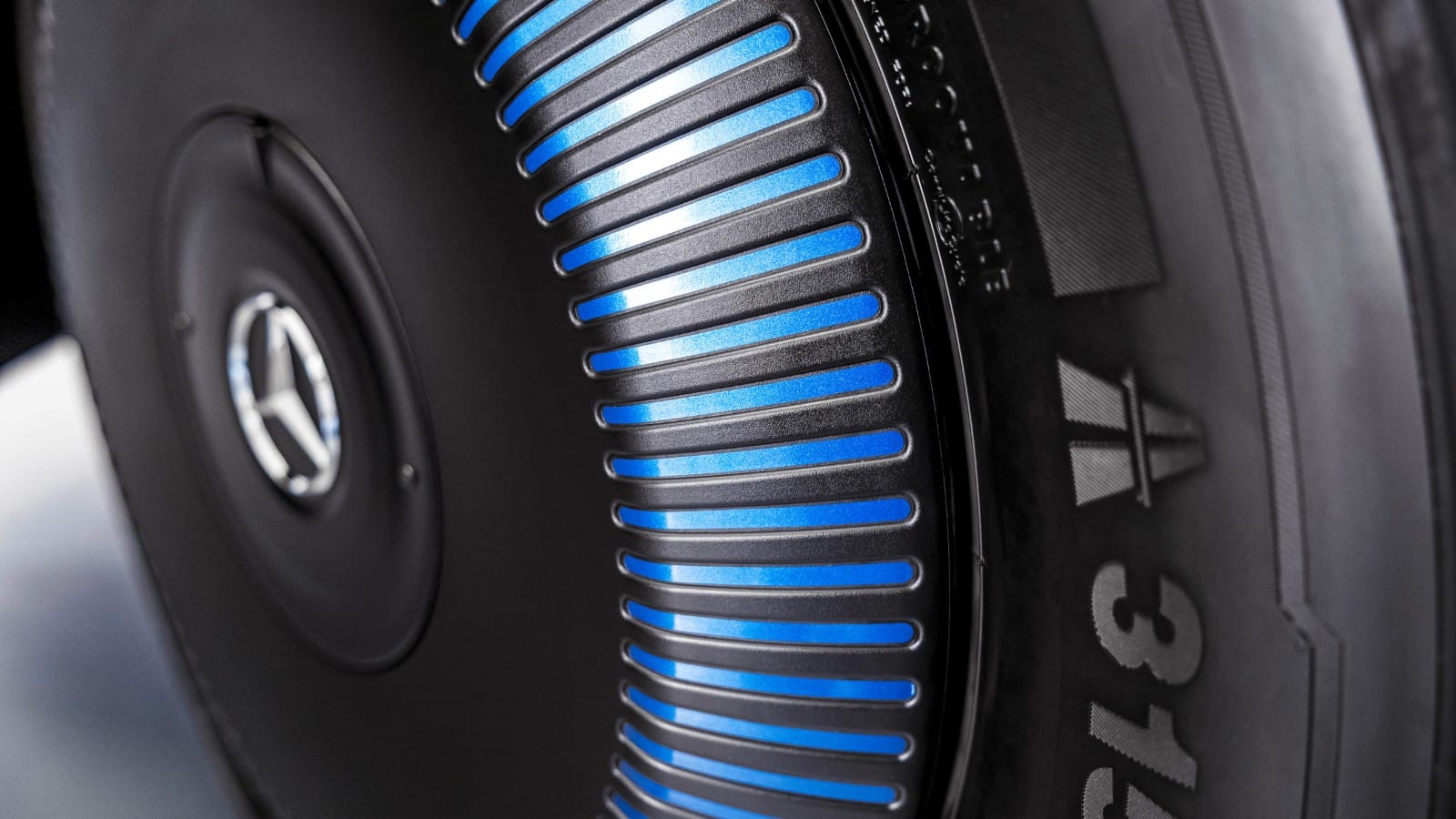
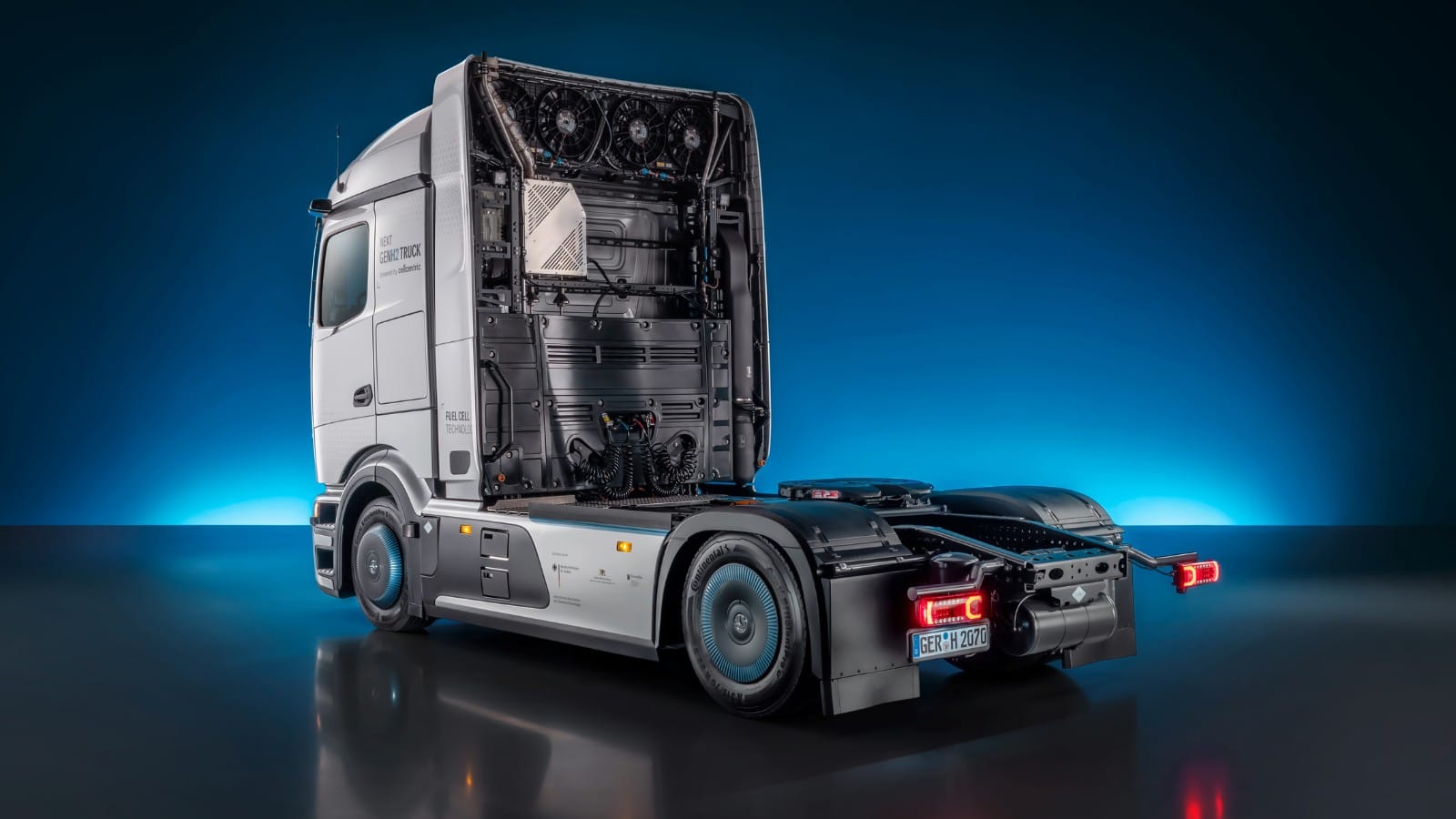
A redesigned "Tech Tower" behind the cab shortens the wheelbase by 150 mm to 4,000 mm, improving trailer compatibility. New safety features include crash elements protecting the hydrogen tanks, a boil-off management system for parking in enclosed spaces, and sensors that enable overnight sleeping in the cab - previously restricted due to hydrogen leak concerns.
Hydrogen consumption and refuelling
In early customer trials, the GenH2 averaged between 5.6 and 8 kg of hydrogen per 100 km depending on load, with gross combination weights ranging from 16 to 34 tonnes. Refuelling via the sLH2 standard developed by Daimler and Linde takes 10-15 minutes, according to the company.
The economics remain challenging. Hydrogen prices in Germany currently sit between €12 and €19 per kilogram. At the higher end, a 500 km trip would cost roughly €320 in fuel, compared with around €300 for an equivalent diesel truck - and that is before factoring in the higher purchase price of the hydrogen vehicle.
Government backing and production timeline
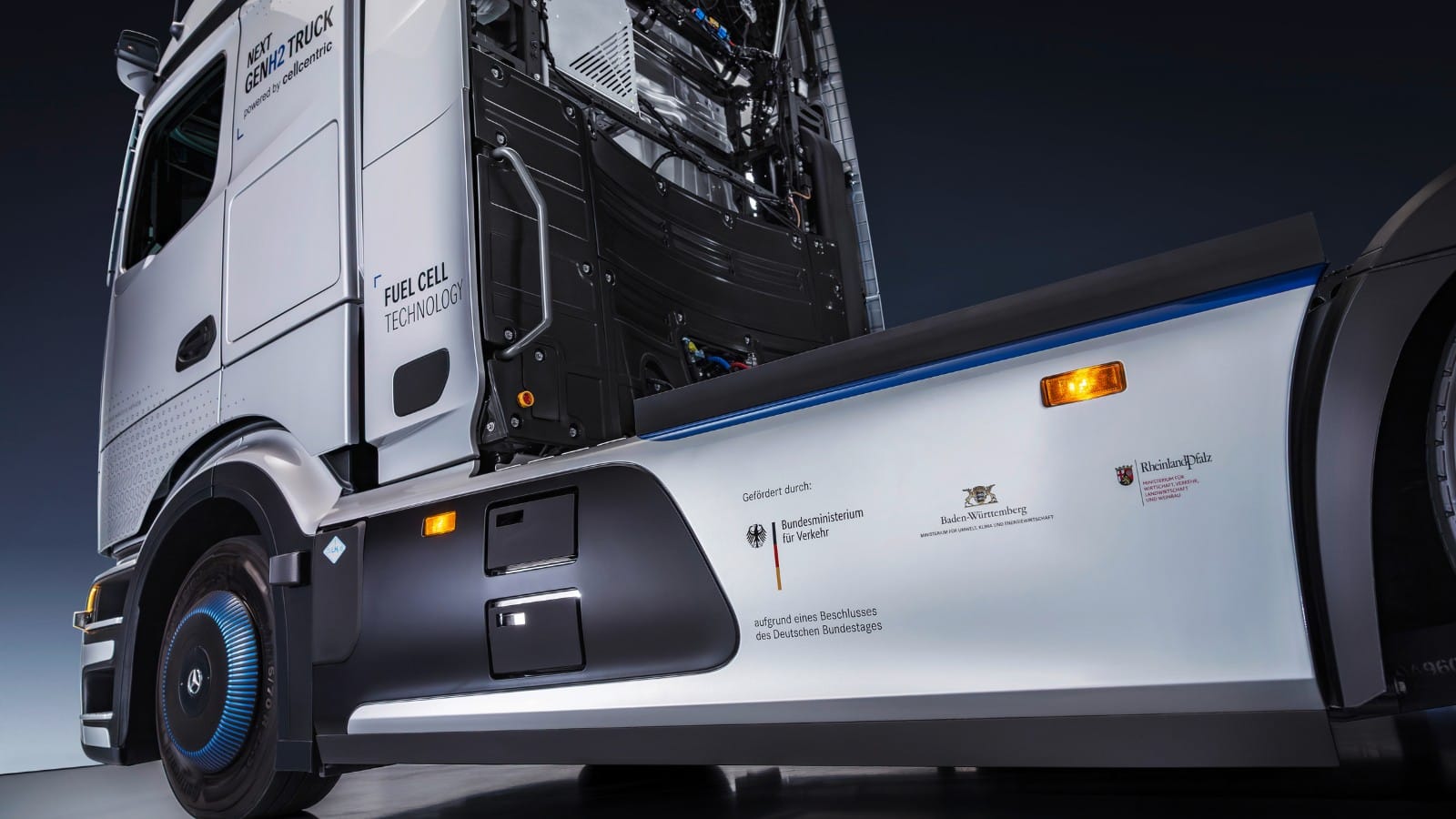
The programme has received €226 million in funding from the German federal transport ministry and the states of Rhineland-Palatinate and Baden-Württemberg. The 100 small-series trucks will be deployed with customers including Hornbach, DHL Supply Chain, and Rhenus.
Daimler first announced its commitment to hydrogen trucks in September 2020, with the GenH2 concept presented by then-CEO Martin Daum. The original target was series production by 2027. That timeline has now slipped by at least 3 years, with the company confirming in summer 2025 that hydrogen trucks would be deprioritised as part of a broader cost-cutting programme.
The manufacturer is clear that the dual strategy - battery-electric for predictable routes, hydrogen for flexible long-haul - remains in place for Europe. Whether the infrastructure catches up in time to justify that bet is another matter.