Two million UK electric cars sold, and the government says it's not enough
The UK's two millionth battery electric car was registered in April, according to SMMT figures. Sales are up 59% and discounts have never been bigger - but manufacturers are still falling well short of government targets.

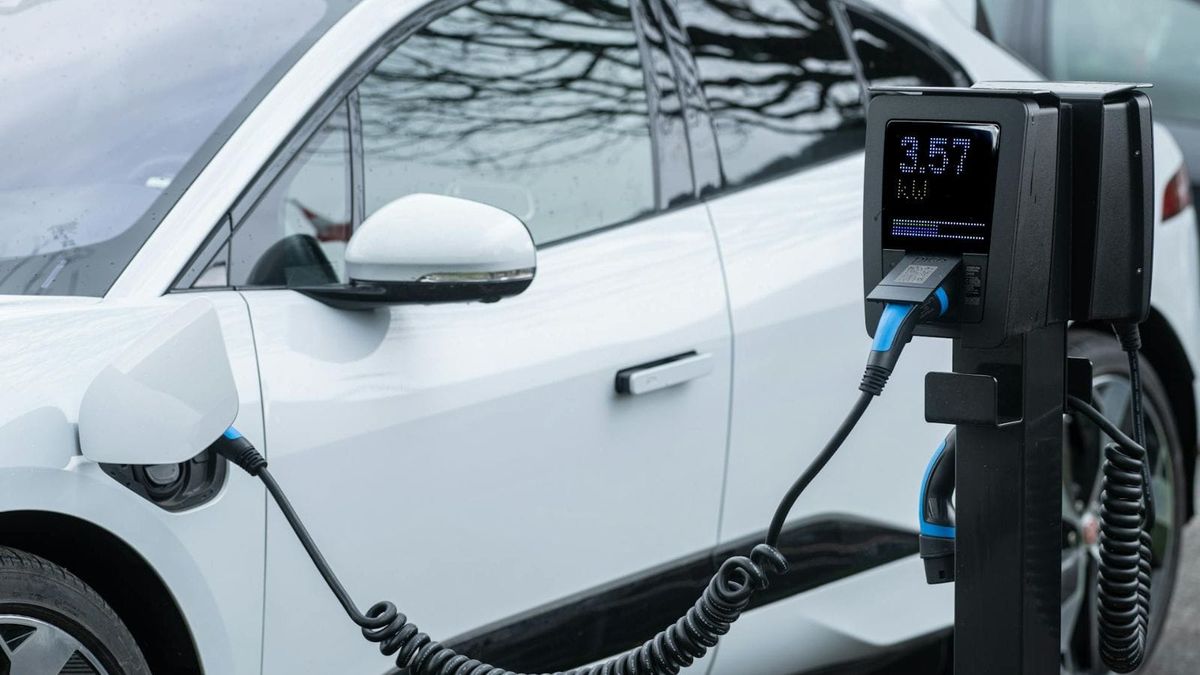
Britain's two millionth battery electric car was registered in April, the SMMT confirmed last week, following 59.1% year-on-year growth that pushed BEV market share to 26.2% for the month. Two million electric cars on British roads, sales growing faster than at any point in the transition so far, and more than 160 models to choose from. By most measures, the electric car market is working.
The government's measure says otherwise. The ZEV mandate - the regulation that tells manufacturers what proportion of their new car sales must be zero-emission - requires a third of all registrations to be electric in 2026. So far this year, it is closer to a quarter. That gap is costing manufacturers billions, and it is the main reason electric cars are as cheap as they are right now.
Why was April so strong?
April's 149,247 total registrations represented a 24% jump on the same month last year, but the comparison flatters. April 2025 was unusually weak because buyers had pulled purchases forward into March to beat incoming tax changes, including the application of Vehicle Excise Duty and the Expensive Car Supplement to battery electric cars for the first time. April is also a traditionally low-volume month, which means percentage swings look more dramatic than they are.
Electrified vehicles of all kinds - BEVs, plug-in hybrids and conventional hybrids combined - accounted for more than half of registrations for the second month this year, at 53.2%. Fleet registrations led the growth, up 26.8%, while private sales rose 20.2%.
What does the ZEV mandate actually require?
The ZEV mandate sets annual targets for the proportion of each manufacturer's new car sales that must be zero-emission. For 2026, that target is 33%, up from 28% in 2025 and 22% in 2024. The trajectory rises to 80% by 2030 and 100% by 2035.
If a manufacturer falls short, it faces a 'compliance payment' of £12,000 for every zero-emission car it should have sold but didn't. That is not technically a fine - it is a cost of doing business, and manufacturers can choose to pay it rather than hit the target. But for a company selling 100,000 cars a year and missing its target by 8,000 units, that is £96 million. Not nothing.
Why are electric cars so cheap right now?
Because manufacturers are spending heavily to try to close the gap. The SMMT says they discounted electric car sales by more than £5 billion in 2025 alone - roughly £11,000 knocked off the price of every BEV registered. On top of that, the government's Electric Car Grant offers up to £3,750 off eligible models, with a lower band of £1,500 for cars that meet fewer criteria. The scheme has £1.3 billion committed through to 2030.
Between the two, some electric cars are arriving in showrooms at prices that would have seemed absurd 3 years ago. And yet the market is still not moving fast enough to hit a third.
Can manufacturers avoid paying the fines?
For now, yes - mostly. The mandate includes several escape routes. Manufacturers can bank surplus credits from good years and spend them later. They can borrow against future targets, effectively promising to sell more EVs next year in exchange for leniency this year, though that borrowing comes with 3.5% compound interest. And they can shuffle credits between their car and van operations to balance the books.
The government extended these flexibility mechanisms through to 2029 following consultation last year, with the amount manufacturers can borrow shrinking each year - from 25% of their target in 2026 down to 10% by 2029.
In practice, most manufacturers will dodge the compliance payments this year, even if they miss the headline target. But borrowing is just deferred non-compliance with interest attached - a bit like paying for this year's holiday on next year's credit card. It makes 2027 and 2028 harder, not easier. And for buyers, it means the big discounts currently propping up the market may not last.
Why is the industry worried?
The SMMT's latest outlook, published alongside the April data, tells the story in 2 numbers. It now expects about 1 in 4 new cars sold this year to be electric - down from its January forecast of closer to 1 in 3.5. The government wants 1 in 3. That is a lot of daylight.
The forecast for 2027 is not much more encouraging. The SMMT expects roughly 1 in 3 new cars to be electric by then, but the mandate target will have risen to nearly 2 in 5.
The SMMT points to high energy and production costs, patchy charging infrastructure, and the Iran conflict as factors weighing on demand. Mike Hawes, the SMMT's chief executive, said that while 2 million electric car registrations was worth celebrating, "natural demand is still well below the level demanded by the mandate."
What happens next?
The legislation includes a provision for a review in 2026, and the SMMT - along with several manufacturers - has called for an urgent reassessment of the trajectory. The question is whether the government adjusts the targets, extends the flexibility mechanisms further, or holds firm and lets the compliance payments do their work.
There are around 160 electric car models on sale in the UK, more than ever before. Prices are falling. Grants are available. And the market is growing at nearly 60% a year. If you are thinking about going electric, there has probably never been a better time to do it - precisely because manufacturers are under so much pressure to sell you one.
Whether that pressure stays, eases, or gets cranked up further depends on the mandate review. For buyers, the practical takeaway is simpler: the discounts are here now, and the reasons behind them suggest they may not last.