Hitachi lands charging deal for Utrecht's 250-bus electric fleet
Hitachi Energy says its centralised Grid-eMotion Fleet system will power the depot charging for Transdev's more than €350m electrification of Utrecht's bus network - around 250 new e-buses across nearly 50 routes.

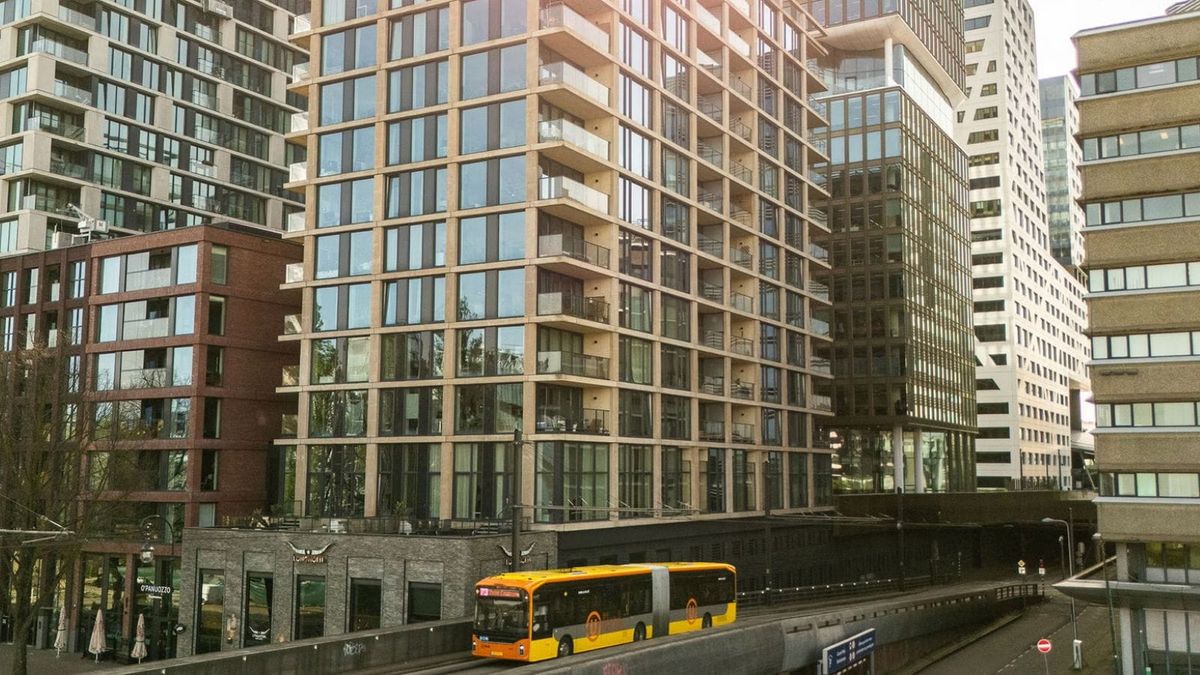
Hitachi Energy has been selected to supply the depot charging infrastructure for Transdev's full electrification of Utrecht's urban bus network, the company announced - a contract covering around 250 new electric buses across nearly 50 routes that between them carry more than 30 million passengers a year.
Hitachi has spent decades building traction power systems for railways, and the Utrecht contract extends that expertise into bus depot charging - with its Rail division also taking on fleet maintenance and ticketing for Transdev.
Centralising the AC/DC conversion
Rather than bolting an individual charger to every bus bay, the Grid-eMotion Fleet system centralises the AC/DC conversion in a single rectifier unit and distributes lightweight DC cabling to parking positions across the depot. Hitachi says the approach requires 60% less space and 40% less cabling than conventional distributed charger setups - a claim the company has been making since its first deployments in Berlin and Quebec City.
Depots designed for diesel buses were never built for multi-megawatt electrical loads, and operators across Europe are finding that hundreds of individual chargers simply don't fit as fleets grow beyond pilot programmes of 10 or 20 buses. Hitachi previously equipped two depots for Berlin's public transport operator BVG, supporting an initial 90 e-buses, and ran a three-year pilot at Quebec City's RTC transit agency from 2023. Utrecht, at more than 250 buses, is a step up in scale from either.
Diesel down from 87% to 65% since 2018
The Netherlands now has 2,748 zero-emission buses in operation, according to data from CROW, the Dutch transport research institute - nearly triple the 1,000 it had in 2020 - and they cover 26% of all bus kilometres driven nationally. Diesel's share has dropped from 87% in 2018 to 65% last year. The country added 850 zero-emission buses in 2025 alone, and the national target is a fully zero-emission public transport fleet of roughly 5,000 buses by 2030.
All newly procured public transport buses have had to be zero-emission since 2025, a requirement the Dutch enforce through concession contracts rather than top-down legislation - operators bidding for routes simply have to commit to electric fleets. Utrecht is the only one of the four largest Dutch cities where public transport is awarded this way.
Transdev currently sits fifth among Dutch operators for zero-emission fleet size with 289 buses, behind Keolis (543), EBS (537), Qbuzz (350), and Arriva (327). Transdev won the 10-year concession - worth €1.7 billion in total - through competitive tender, and has pledged to replace its entire Utrecht fleet with zero-emission vehicles by 2028.
96 Solaris buses confirmed, 154 still to source
Solaris has been confirmed as one supplier, with 96 Urbino Electric models ordered in October 2024 for delivery in late 2025, fitted with the manufacturer's High Energy battery system. That leaves around 154 buses still to be sourced, and Transdev has not publicly confirmed additional suppliers for the Utrecht fleet.
Heliox, ABB, and Siemens have been supplying charging infrastructure to Dutch bus operators for years. Hitachi's ZeroCarbon Charge energy management platform only launched in April 2025, and Utrecht appears to be among its earliest large-scale deployments.