Ireland's €8,500 EV scrappage scheme sells out in 75 minutes
Ireland offered €5,000 to scrap an old petrol or diesel car and buy a new electric vehicle - stackable with the existing €3,500 EV grant. The 2,000 available grants were gone before most people had finished their morning coffee.

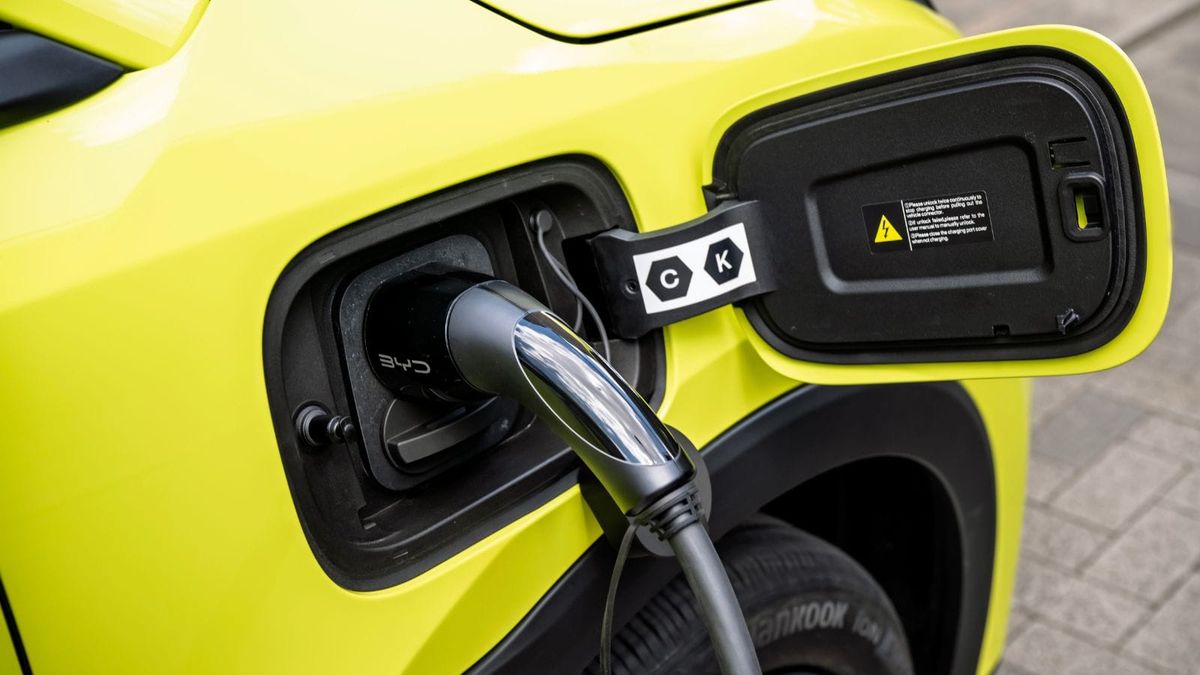
The Irish government launched its first-ever EV scrappage scheme on 1 July, paying owners of older petrol and diesel cars €5,000 to send them to the crusher and replace them with a new battery electric vehicle. Stacked on top of Ireland's existing €3,500 EV purchase grant - administered by the Sustainable Energy Authority of Ireland (SEAI) - that brought total available support to €8,500 per vehicle, making it one of the most generous direct EV incentives anywhere in Europe.
It lasted 75 minutes.
The scheme, branded ICE2EV, was backed by €10 million from Ireland's Climate Action Fund and capped at 2,000 applications. Dealers submitted applications on behalf of their customers through the SEAI portal, which opened at 9am on 1 July and promptly fell over under what SEAI described as an "unprecedented volume of dealer logins." The system was back within 10 minutes, but by then the scramble was well underway. The rural allocation - 65% of the pot, ringfenced for households outside Ireland's cities - was fully committed by 9:40am. The urban share followed at 10:15am. Done.
How the scheme works
To qualify, applicants needed a petrol or diesel car registered in 2013 or earlier - so at least 13 years old at the time of application. They had to have owned it for a minimum of 12 months, and the car had to be taxed, insured, and hold a valid NCT certificate (Ireland's equivalent of the MOT), or one that had expired no more than 6 months prior. The vehicle then had to be scrapped by the selling dealer as part of the transaction - owners who scrapped their own car independently were not eligible.
The €5,000 scrappage payment was deducted from the price of a new battery electric vehicle at the point of sale, alongside the existing €3,500 SEAI grant, meaning the customer saw the full €8,500 knocked off the sticker price. The dealer then claimed the money back from SEAI. Plug-in hybrids and used EVs were excluded - the scheme applied only to new, fully electric cars.
Transport Minister Darragh O'Brien announced the pilot on 3 June, positioning it as a targeted measure to remove the most polluting vehicles from Ireland's roads. "Older vehicles are among the highest emitters in our transport system, and many households face real financial barriers in moving to cleaner alternatives," he said. "ICE2EV is designed to bridge that gap."
Early uptake data
Most of the cars scrapped were 16 years old or more - well beyond the 13-year minimum - and the EVs purchased skewed heavily toward smaller, lower-cost models. Secondary reporting pointed to the BYD Dolphin Surf and entry-level Hyundai and Kia models as popular choices, rather than premium EVs that buyers might have chosen regardless. The government said there was good uptake across all counties, with the 65/35 rural-urban split broadly reflected in the applications.
The government deliberately ringfenced nearly two-thirds of the funding for rural households - areas where car dependency is highest and public transport alternatives are thinnest. It was the rural money that went first, exhausted in roughly 40 minutes. In a country where the average car age is nearly 9 years and some 900,000 vehicles are older than that, according to the Society of the Irish Motor Industry (SIMI), the appetite for a financial bridge to electric was considerable.
The European context
Ireland's €8,500 combined support arrives at an interesting moment. France ran its own scrappage scheme - the prime à la conversion - from 2014 until it was discontinued in 2025, having issued over a million grants between 2018 and 2022. France has also trimmed its bonus écologique (the direct EV purchase subsidy) from a maximum of €7,000 down to between €2,000 and €4,000, and cut the budget from €1.5 billion to €1 billion. Germany, meanwhile, ended its federal EV purchase subsidy - the Umweltbonus - abruptly in December 2023 and has not replaced it with a direct consumer incentive, relying instead on tax breaks and reduced company car benefit rates.
Ireland is, in other words, swimming against the European current - increasing direct financial support for EV buyers while its larger neighbours pull back. Whether that reflects Ireland's smaller fleet and greater flexibility, or a genuine policy conviction that the price barrier is the one worth attacking, is a question the pilot review will presumably address.
2,000 cars from a fleet of 2.47 million
Ireland has approximately 2.47 million vehicles on its roads, according to SIMI data, of which 84% - roughly 2.14 million - are still petrol or diesel. The government's target is for 30% of the fleet to be electric by 2030, which means getting from the current 235,000 EVs to around 950,000 in less than 4 years. Removing 2,000 old cars and replacing them with EVs is a rounding error against that ambition.
But the scheme was always described as a pilot, and it sits alongside a broader EV market that is accelerating hard. BEV market share in Ireland hit 23% of new car sales by mid-2026, up from 18.9% for the full year 2025. EV sales surged 110% year-on-year in April and doubled again in May. An additional €37 million from the Climate Action Fund has been allocated to the standard EV purchase grant to meet 2026 demand. The ICE2EV pilot was a small scheme, but it landed in a market that was already moving fast.
What comes next
Speaking to NewsTalk after the scheme closed, Minister O'Brien was careful to describe ICE2EV as a pilot - "really clear" that it was time-limited - but left the door open for something more permanent. "We'll have a look at it and then assess what we do next," he said. SEAI and the Department of Transport will now review the pilot's results, examining uptake, emissions impact, and value for money. No timeline has been given for that review, or for any decision on a successor scheme.
The €3,500 SEAI EV purchase grant continues to be available to all private buyers. A separate change to the grant's eligible vehicle price cap - dropping from €60,000 to €50,000 - takes effect from 1 August, with the government redirecting that saving toward public charging infrastructure.