Devon picks char.gy for lamppost charger trial ahead of 3,000-unit rollout
On-street charge point operator char.gy says it will install 30 lamppost-mounted EV chargers across Devon from early to mid-August, funded by the government's LEVI scheme - the first on-street element of a wider programme set to bring nearly 3,000 public chargers to Devon and Torbay.

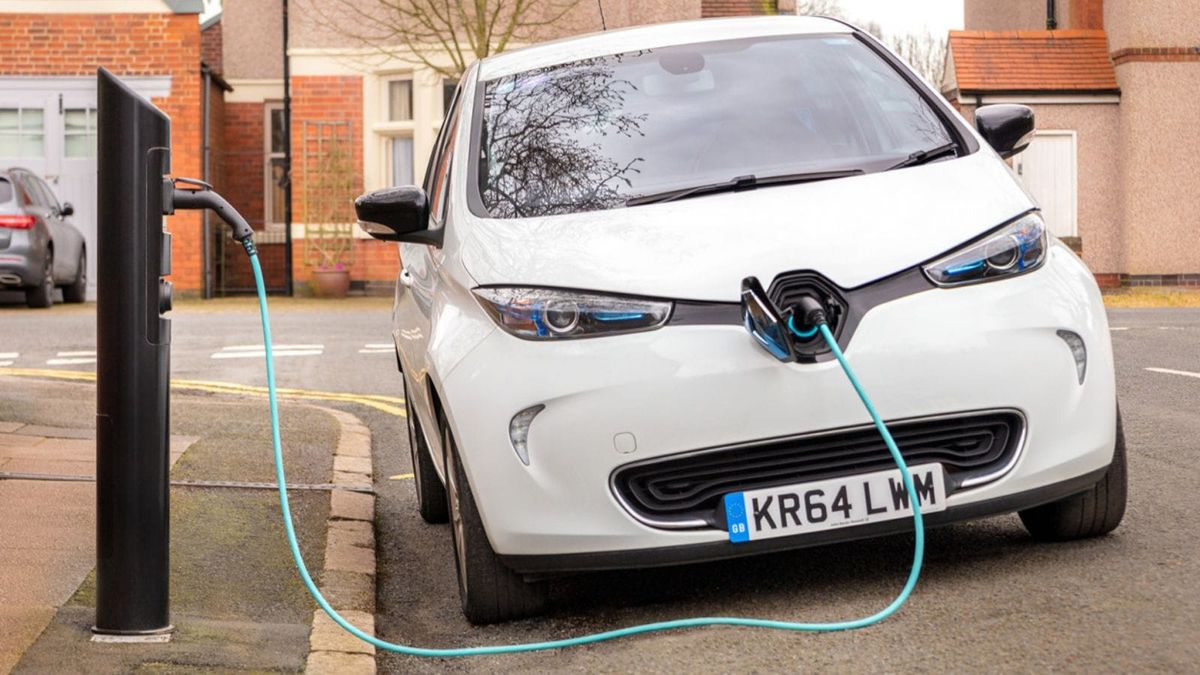
char.gy, the UK's fourth-largest on-street charging network, says it will begin installing 30 lamppost-mounted EV chargers across Devon from early to mid-August as one of the first physical deployments of the government's Local Electric Vehicle Infrastructure (LEVI) fund - a £381m pot designed to bring public charging to the roughly 40% of UK households that lack off-street parking.
Devon and Torbay have commissioned nearly 3,000 public EV charging points through three operators - Wenea for rapid and fast chargers in public car parks, Believ for standard on-street units, and char.gy for lamp column-integrated hardware - backed by £8m in LEVI funding and approximately £30m in private investment.
Devon received more than £7m from the LEVI fund in 2024, one of the largest allocations in the country. Two earlier schemes - the DELETTI project and Rapid Charging Devon - have already delivered more than 300 car park charging sockets and 34 rapid charging sites, but on-street residential charging has not previously reached the county.
South West charging provision
The region has ground to make up. Department for Transport data from January 2026 puts the South West at 148 public chargers per 100,000 people - below the UK average of 167.5 and less than half London's 338. Much of Devon's housing stock, particularly in its market towns and villages, was built without off-street parking.
An EVA England survey found that 60% of petrol and diesel drivers without driveways said they would never consider switching to electric.
"On-road transport makes up more than a quarter of Devon's total carbon emissions," said Councillor Jaqui Hodgson, Devon County Council's cabinet member for environment and biodiversity. "Making it as easy as possible for people to charge their vehicles when and where they need to - outside their home, on streets, in public car parks and even on lamp posts - is crucial to encourage the take-up of EVs."
char.gy's lamppost model
char.gy's model retrofits existing street lighting infrastructure with Type 2 charging sockets typically delivering between 5 and 7 kW - enough for a full overnight charge on most modern EVs, and without requiring pavement excavation or new grid connections. The company has had an aggressive 2026, securing contracts for more than 3,000 sockets in West Northamptonshire, around 2,600 in Reading, and 1,500 on the Isle of Wight, and passed its 5,000th installed charger nationally in Brighton in May.
"This trial is an important step in turning LEVI funding into real, usable infrastructure for communities," said John Lewis, char.gy's chief executive. "By starting with a focused trial, we can learn what works locally and help lay the foundations for a wider rollout."
Under the LEVI funding structure, capital is released incrementally as each charge point is successfully deployed rather than paid upfront. If the initial 30 units prove successful, the council says the data gathered will be used to shape the next phase of Devon's on-street charging rollout.