Toyota unveils the ninth-generation Hilux with electric, hybrid and hydrogen options
Toyota has unveiled the ninth-generation Hilux with a full multipath line-up, including the first electric Hilux, the 2.8D 48V mild hybrid and a hydrogen fuel cell model confirmed for 2028. UK sales start June 2026.

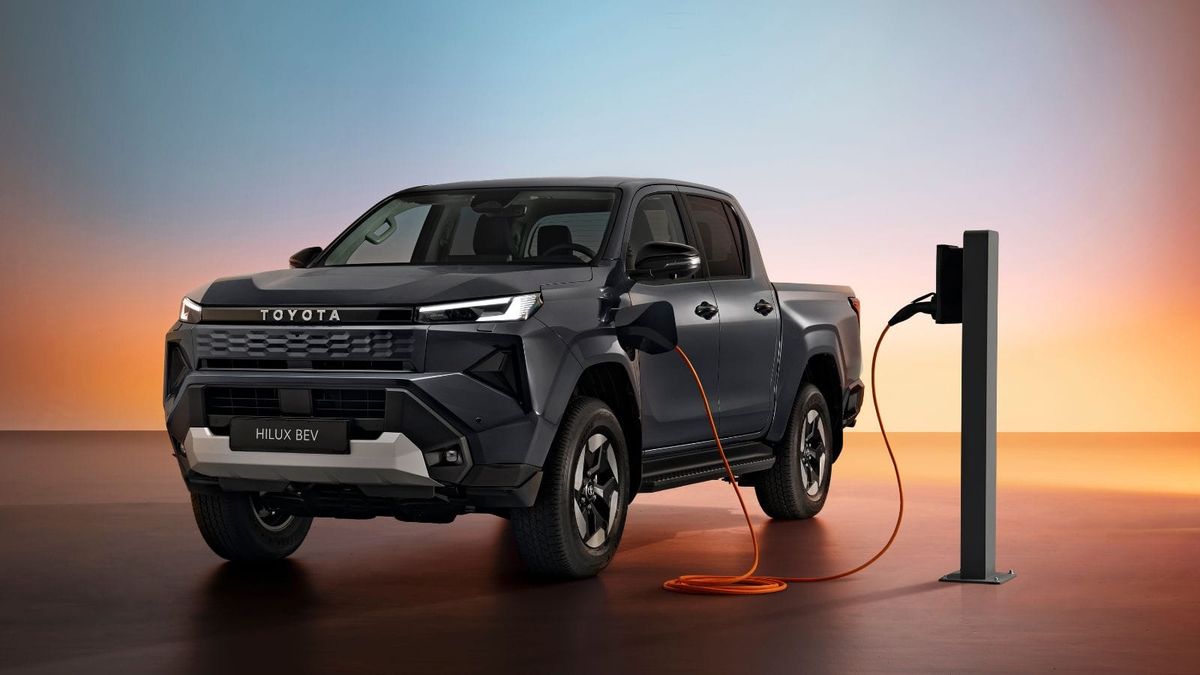
Toyota has revealed the all-new Hilux, the ninth generation of a pick-up that has spent more than half a century earning its reputation for strength and reliability. The new model brings a full spread of powertrains into play, including the first battery electric Hilux, the Hilux 2.8D 48V mild hybrid for Western Europe, and confirmation that a hydrogen fuel cell version will arrive in 2028.
UK specifications, trims and pricing will follow, with sales due to begin in June 2026.
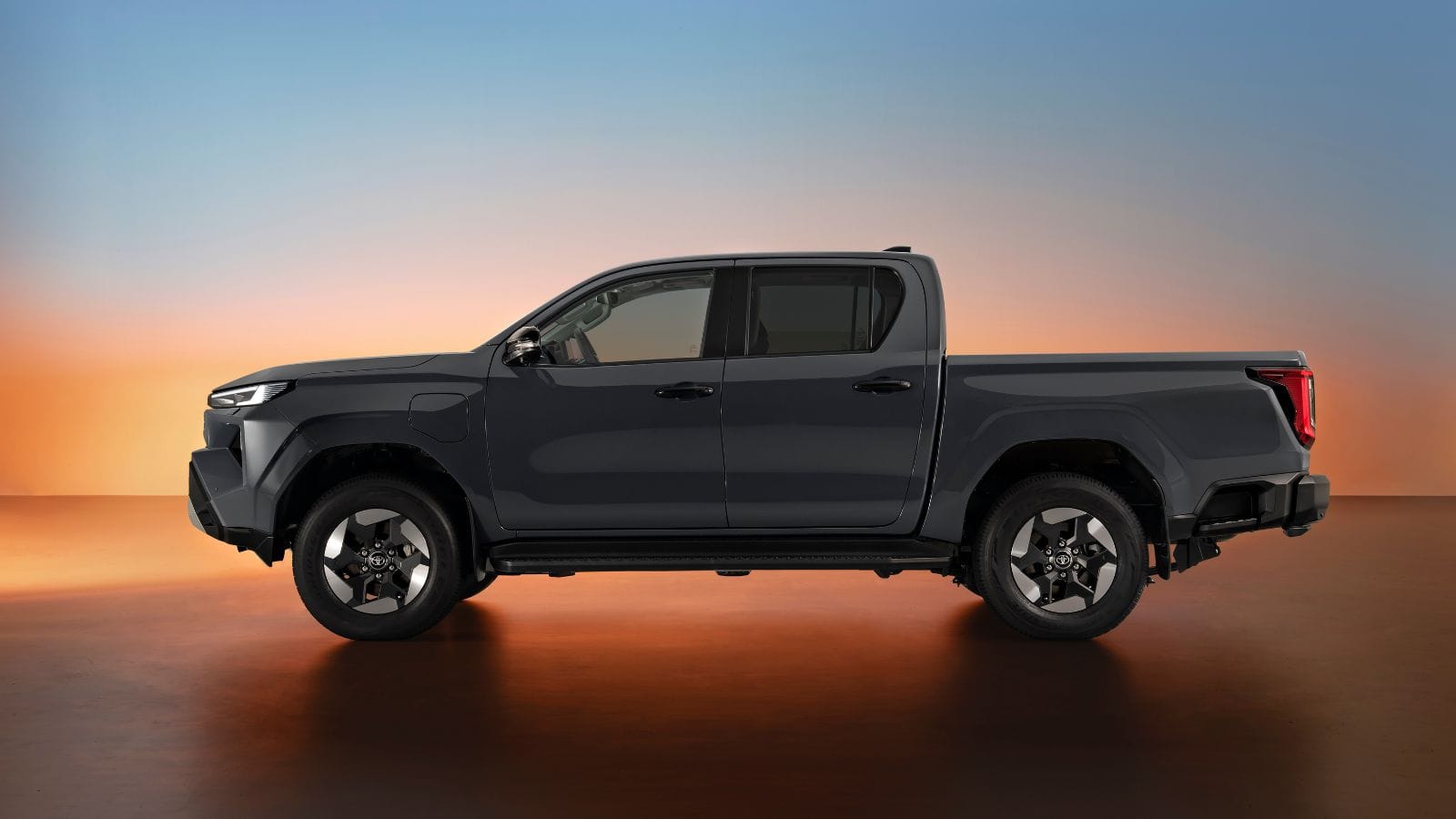
A multipath line-up for different regions
Toyota says the new Hilux has been designed around its multipath philosophy, reflecting the simple reality that pick-up buyers in different markets have very different use cases. For Western Europe, the 2.8D 48V is expected to take the bulk of sales, thanks to its blend of efficiency, load-carrying ability and long-distance reliability. The BEV model and the future hydrogen FCEV version sit alongside it, offering zero-tailpipe options across the range.
Internal combustion engines will remain available in Eastern Europe, again aligning with Toyota’s regional strategy.
One body style, new design cues and an upgraded cabin
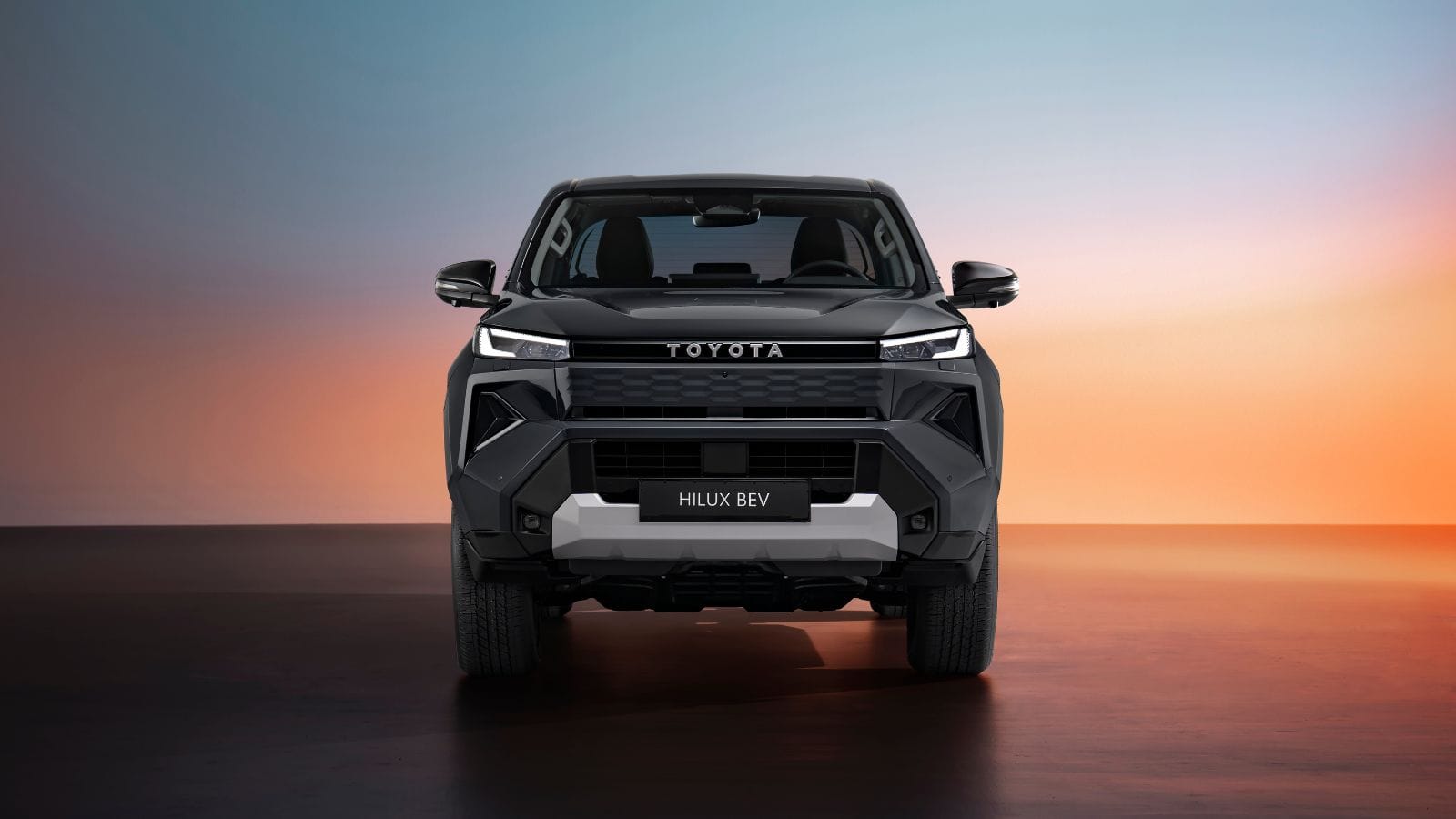
The new Hilux now comes exclusively as a Double Cab, matching customer demand. Exterior styling follows a Tough and Agile theme, with slimmer headlights joined by a central bar carrying TOYOTA lettering, plus a cleaner aero-front on the BEV model that does away with the traditional grille.
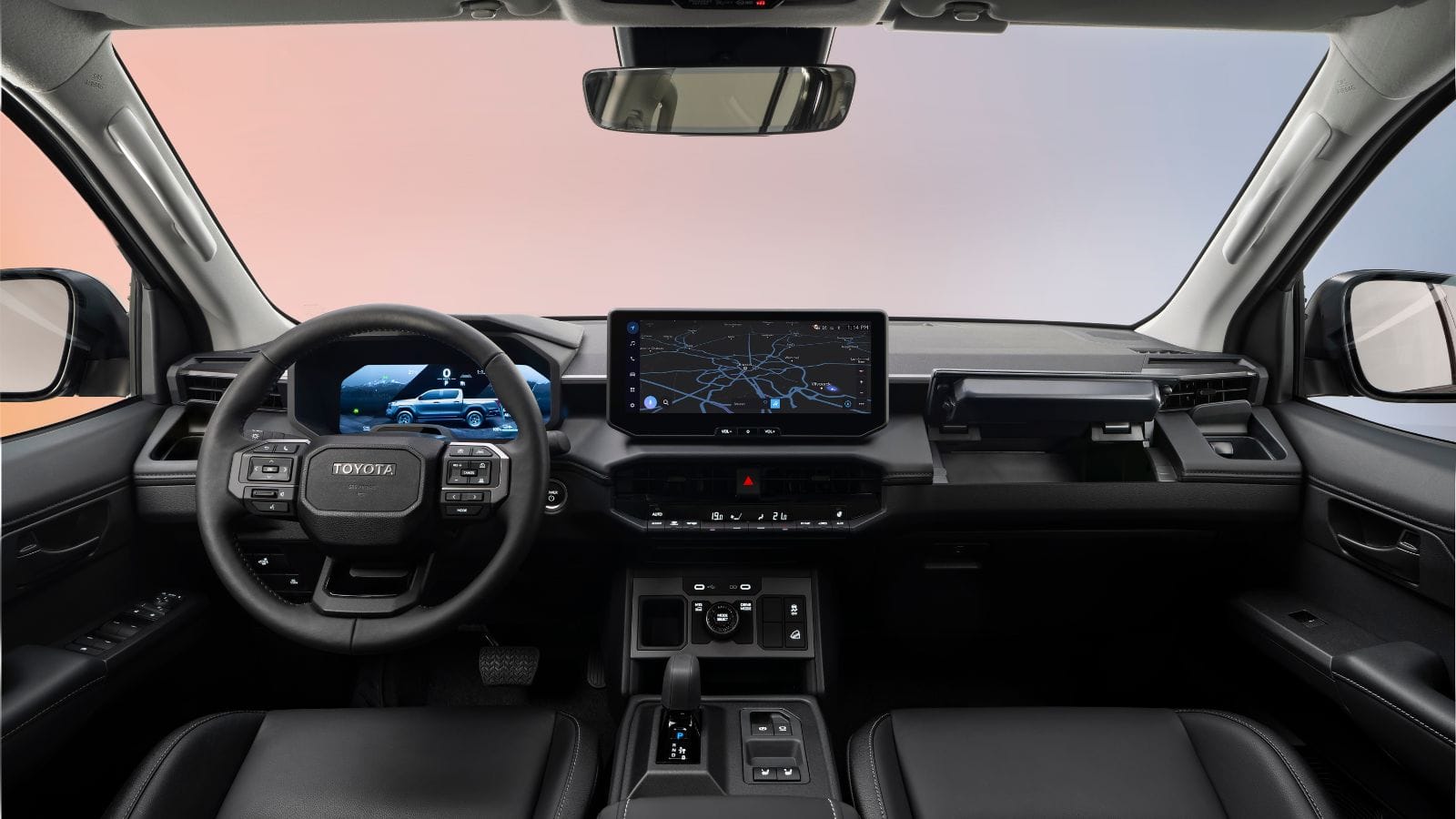
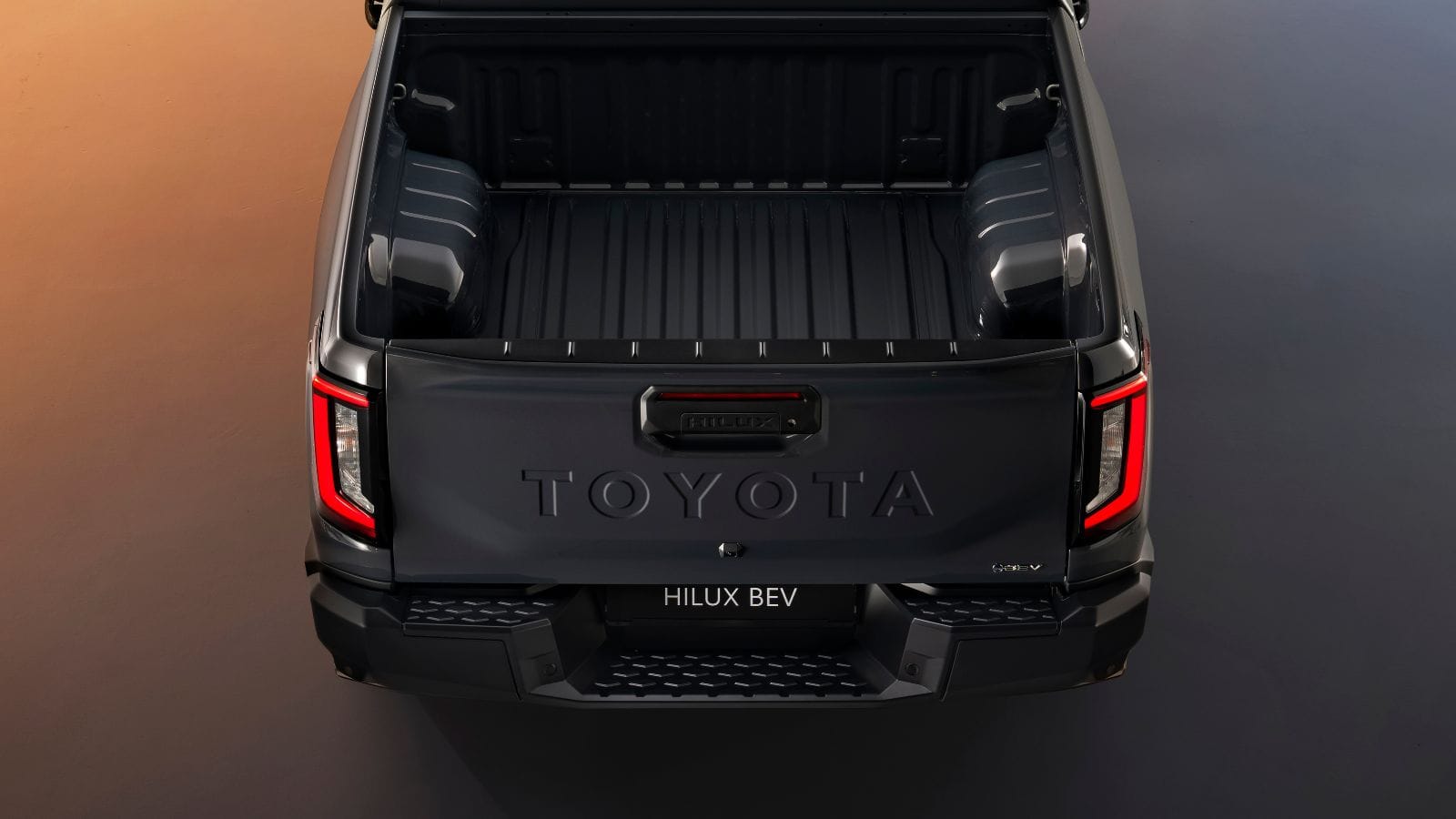
A new rear deck step is standard across the range, while selected versions also get redesigned side steps. Inside, Toyota has lifted the overall sensory quality to something closer to the latest Land Cruiser, with a horizontal centre console, new switchgear and customisable digital displays up to 12.3 inches. Controls for AWD and off-road systems are grouped centrally for ease of use, and higher-spec models add wireless charging and updated USB ports.
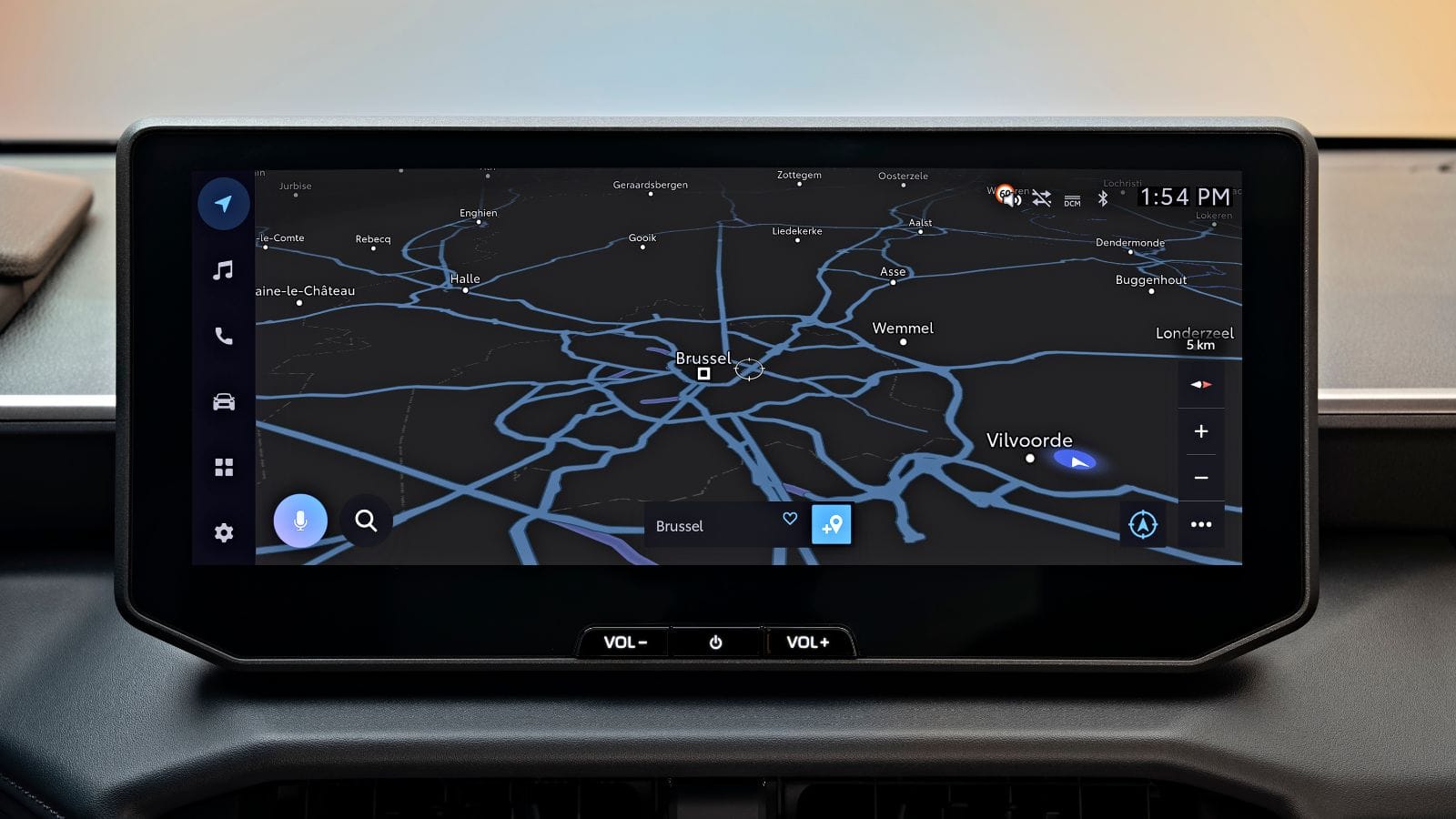
Connectivity is handled through MyToyota, which supports remote functions and fleet monitoring for up to ten vehicles, covering location, fuel level, charging status and driving analytics.
First Hilux with electric power steering
For Western Europe, this is the first Hilux to adopt electric power steering, which Toyota says gives a more direct feel, easier manoeuvrability and less kick-back on rough terrain. Eastern European markets retain a hydraulic system.
Safety has also been expanded, with extended Toyota Safety Sense features depending on grade. These include Low Speed Acceleration Suppression, Proactive Driving Assist and an Emergency Driving Stop System. Blind Spot Monitoring, Safe Exit Assist and a Driver Monitor Camera also appear, with over-the-air updates available as systems evolve.
The electric Hilux arrives
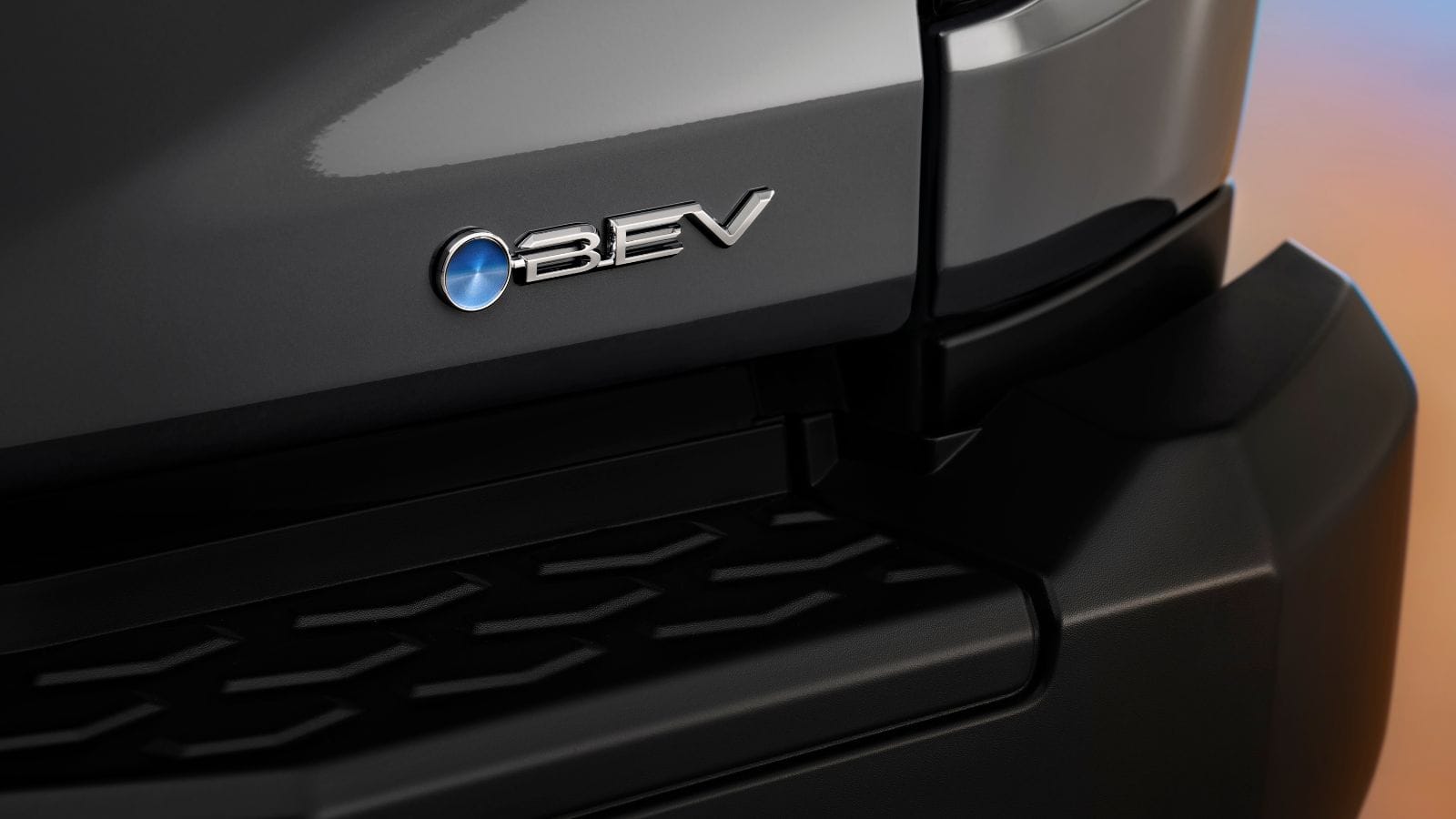
Toyota calls the new BEV Hilux its breakthrough moment: a fully electric pick-up that preserves the model’s body-on-frame toughness and off-road capability. The battery is protected against impacts and water ingress, retaining the same wading depth as the current diesel model. Multi-Terrain Select is fitted, adapting brake and torque control to different surfaces.
Power comes from a 59.2 kWh lithium-ion battery feeding front and rear eAxles. Pre-homologation figures show 205 Nm at the front, 268.6 Nm at the rear, a 715 kg payload and a 1,600 kg towing limit. Tentative WLTP range is around 150 miles. Toyota is targeting best-in-class charging speeds to reduce downtime for fleets.
The 2.8D 48V mild hybrid stays the mainstay for Europe
Introduced earlier this year on the outgoing model, the 2.8D 48V returns as the volume variant for Europe. The system integrates a 48V battery beneath the rear seats, an electric motor-generator and a DC-DC converter to assist the 2.8-litre engine. Toyota says it improves refinement, especially at start-off and under acceleration, while keeping the Hilux’s working-vehicle credentials intact.
Payloads of up to one tonne remain, and the towing capacity stays at 3,500 kg for braked trailers. Off-road ability is lifted with Multi-Terrain Select and, on higher grades, a Multi-Terrain Monitor and Panoramic View Monitor to assist in technical terrain or tight manoeuvring.
Hydrogen Hilux confirmed for 2028
Toyota has confirmed that a hydrogen fuel cell Hilux will join the range in 2028. It will use a version of Toyota’s existing FCEV system, supporting the company’s view that hydrogen will form part of a wider zero-emission landscape in heavy-use and long-range roles. The hydrogen model is expected to sit alongside regional BEV and 48V offerings rather than replace them.